
The global market for computer memory is in a mess right now. Giant companies like Samsung, SK Hynix, and Micron—often called the “Big Three”—simply cannot keep up with the world’s demand. Even though these firms are spending more than $10 billion to build new factories, the shelves are still empty. This massive shortage has created a perfect opening for Chinese companies to step in and show what they can do. Chinese manufacturers are now speeding up their production plans to catch up with their famous rivals.
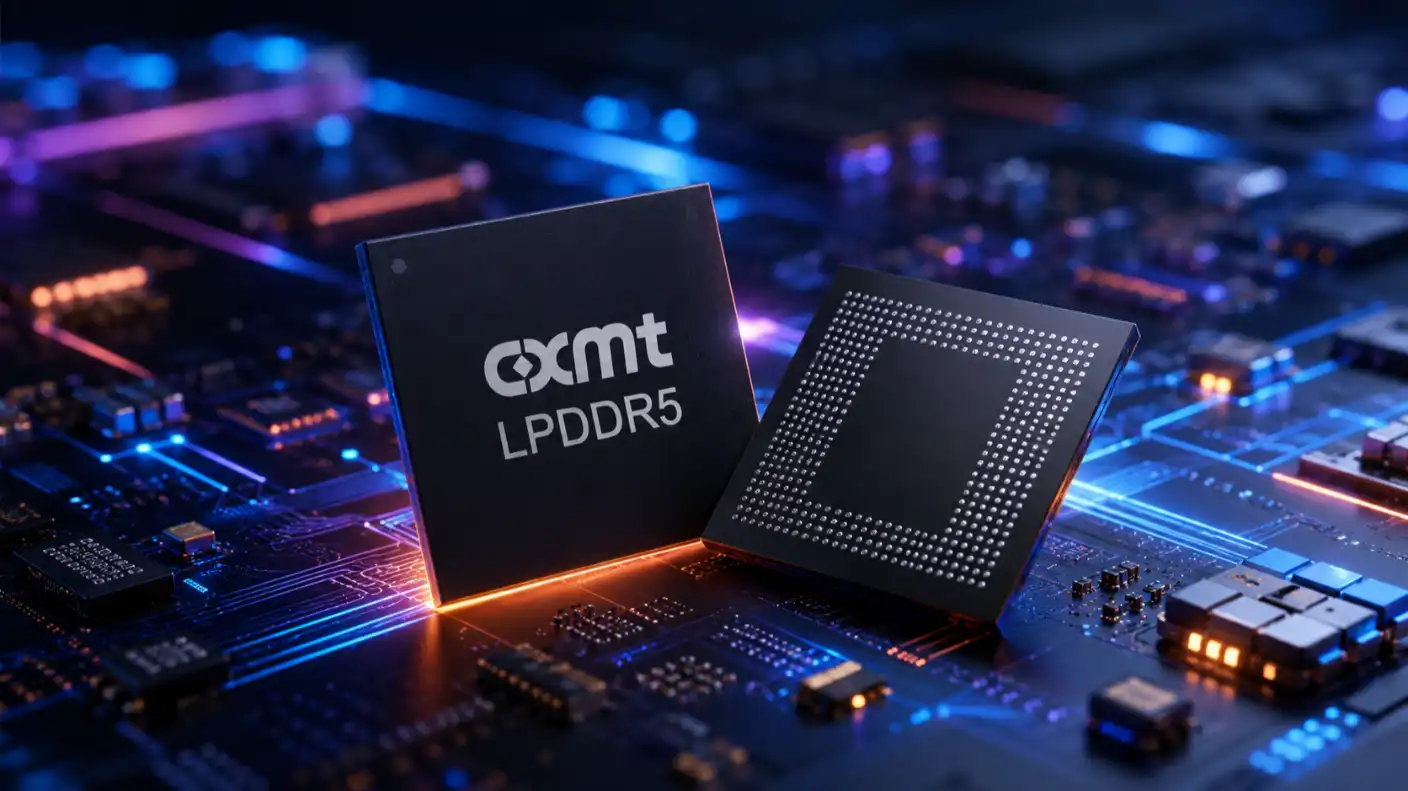
ChangXin Memory Technologies, or CXMT, is leading this charge. They are the biggest name in China’s chip world, and they are moving faster than ever. Recently, they broke new ground by making DDR5 memory modules that hit speeds of 8000 MT/s. This is a huge deal because it matches the high-end hardware produced by the top global brands. People used to think Chinese chips were years behind, but these new numbers prove they are closing the gap.
It is not just about speed; it is also about the amount of data these chips can hold. Another Chinese firm called Jiahe Jinwei is now making server-grade memory for companies like Powev. These new modules offer 64 GB of space and run at 5600 MT/s. This is exactly what artificial intelligence firms need. AI programs require massive amounts of data to function. Without these high-capacity chips, the entire smart technology industry would slow down.
While the AI giants are happy, regular computer users are also seeing the benefits. Since 2024, production has ramped up significantly in China. CXMT is now selling memory sticks in 16Gb and 24Gb sizes for home PCs. While 32Gb chips exist, they still cost a lot of money. However, because China is making these parts at home, they do not have to worry about expensive shipping rates or high trade tariffs. This makes the parts much cheaper for local buyers.
The global situation is so desperate that even the United States government is changing its mind. For a long time, the US had strict rules stopping companies like CXMT and YMTC from doing business easily. But because the world is starving for memory, the government has started removing some of those restrictions. This paves the way for a flood of Chinese-made DDR5 memory to enter the US and Europe. These products will likely be much cheaper than the usual options, which might help lower the price of laptops and servers by a noticeable amount.
Another big shift happened when Samsung decided to stop making older types of memory. Samsung wants to focus only on the newest, most expensive tech. They walked away from LPDDR4 memory, which is the stuff that runs cheap smartphones and basic PCs. Chinese suppliers saw this empty space and jumped right in. By cranking up their own LPDDR4 production, they have made millions of dollars in revenue over the last few months.
To keep this momentum going, companies like CXMT and YMTC are starting what they call an “Epic Expansion” plan. They are not just making a few more chips; they are spending billions of dollars to upgrade their current machines and build entirely new factories. Right now, CXMT owns about 10% of the global market. With these aggressive new plans, experts think they will steal a much larger slice of the pie very soon.
This growth is happening because Chinese firms are focusing on both the high-end and the low-end markets. They are making the 8000 MT/s speed demons for gamers and researchers, but they are also making the basic parts for everyday gadgets. By covering all the bases, they are making it very hard for the traditional leaders to stay ahead. The “Big Three” used to own the market, but that monopoly is clearly ending.
In the coming year, the chip industry will look very different. As the global memory crisis continues, the reliance on domestic Chinese production will only grow. If they can keep their production lines running smoothly and avoid the bottlenecks hitting other countries, they might just become the new kings of computer memory. For anyone looking to build a new PC or run an AI server, these Chinese modules are becoming a very attractive and affordable option.