
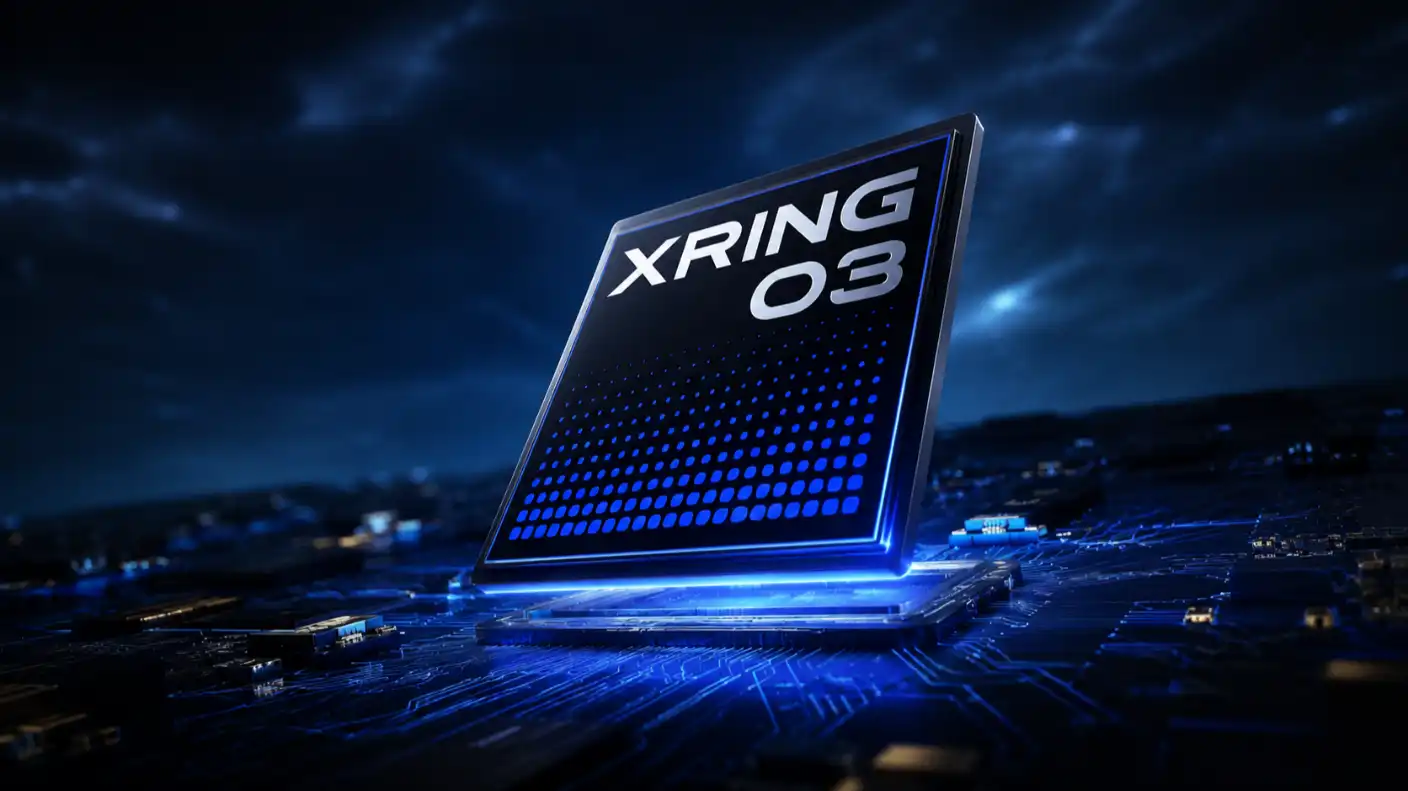
Xiaomi is ready to pull the curtain back on its next big piece of technology. Lu Weibing, the President of Xiaomi Group, recently confirmed that the company will launch its newest custom processor, the XRING 03, later this year. This chip follows the successful XRING 01, which helped the Chinese brand prove it could design its own high-end hardware. While fans are excited to see more power, a few technical choices suggest that Xiaomi is taking a very different path than its biggest rivals.
The previous chip, the XRING 01, used a very modern manufacturing process from the Taiwan Semiconductor Manufacturing Company (TSMC). It relied on the second-generation 3-nanometer “N3E” technology. This allowed the chip to work efficiently and perform just as well as the best processors from American companies. For the new XRING 03, many experts expected Xiaomi to jump to the brand-new 2-nanometer process. However, recent reports indicate that Xiaomi will stick with 3-nanometer technology, specifically an older version called “N3P.”
This choice puts Xiaomi an entire generation behind the heavy hitters in the industry. Companies like Apple, Qualcomm, and MediaTek are all racing toward the 2-nanometer finish line. Apple plans to use 2-nanometer tech for its upcoming A20 and A20 Pro chips, which will likely set the speed record for smartphones next year. Qualcomm is also moving ahead with the Snapdragon 8 Elite Gen 6 Pro. By staying on the older 3-nanometer node, Xiaomi’s new chip might struggle to keep up in a raw speed contest against these giants.
Money is the main reason for this conservative decision. Building chips on the newest factory lines is getting incredibly expensive. Industry insiders estimate that a single top-end Snapdragon 8 Elite Gen 6 Pro chip could cost a phone maker $300 or more. That is a massive price tag for just one component. Xiaomi likely realized that spending such a high amount for a small batch of custom chips didn’t make financial sense. To keep their phone prices reasonable, they decided to avoid the “bleeding edge” and stick with what they know works.
Xiaomi currently pours over $1 billion into research and development every single year. They have to decide where that money goes very carefully. If they spent a huge portion of their budget on 2-nanometer wafers, they might have less cash to spend on other important features like camera sensors or better batteries. Even a 1.5% increase in production costs can result in millions of dollars in lost profit when you sell millions of devices. By using the older N3P process, Xiaomi can get a better deal from TSMC and ensure their supply chain stays stable.
There is a major silver lining to this decision, though. Because the 3-nanometer process is more mature and less expensive, Xiaomi can use the XRING 03 in many different types of products. It won’t be limited to just their most expensive flagship phones. We will likely see this chip inside tablets and even Xiaomi’s growing line of smart home gadgets. Most interestingly, earlier reports suggest that this processor could find a home inside Xiaomi’s electric cars.
Putting a smartphone-style chip into a car is a big move, but it requires a lot of extra work. Vehicles have much stricter safety and verification rules than a phone. A chip in a car has to survive extreme heat and cold for many years without failing. Because of these requirements, the automotive version of the XRING 03 might take a little longer to hit the road. If Xiaomi pulls this off, they could create a massive ecosystem where your car, phone, and watch all run on the same internal brain, much like Apple has done with its “walled garden” of products.
On the technical side, we still don’t know every detail about the XRING 03. However, it is very likely that Xiaomi will use standard designs from a company called ARM. While Qualcomm is building its own custom “Oryon” cores to boost speed, Xiaomi will likely stick to the tried-and-true ARM blueprints for the CPU and GPU. This is a safer bet for a company that is still relatively new to the chip-making game. It ensures that apps will run smoothly without any weird bugs or compatibility issues.
The smartphone market is more competitive than ever, and Xiaomi is trying to find its own unique spot. They aren’t trying to win the “fastest chip in the world” trophy this year. Instead, they are focusing on building a versatile, affordable, and reliable chip that connects all their devices together. They are betting that most users care more about a smooth experience and a fair price than a tiny 1.5% difference in benchmark scores that they will never notice in real life.
As the launch date approaches, all eyes will be on how Xiaomi markets this new hardware. They have to convince buyers that a slightly older manufacturing process is actually a smart choice. If the XRING 03 performs well and helps Xiaomi lower its costs, it could be a major win for the company’s bottom line. For now, the tech world is waiting to see if this “versatility over speed” gamble pays off when the first devices arrive later this year.