
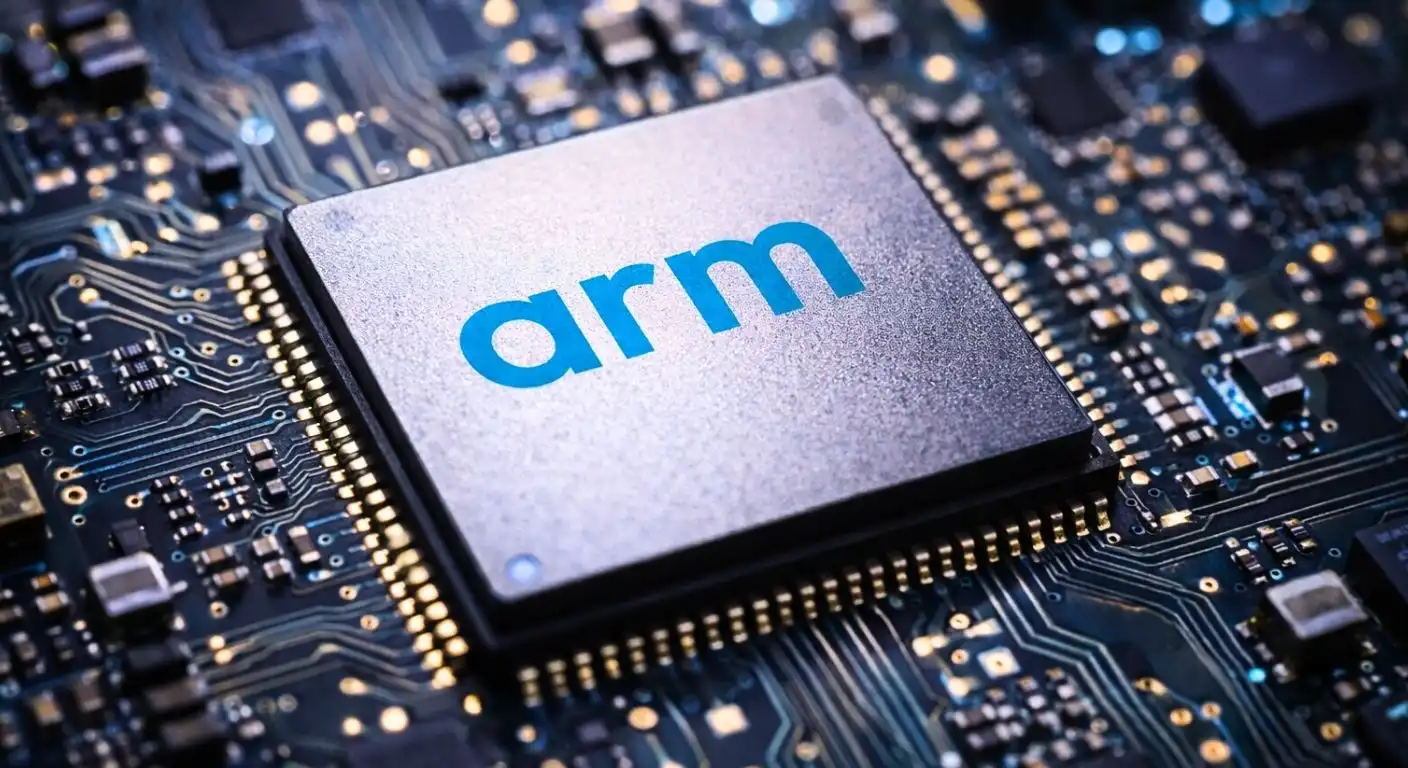
Arm Holdings is a name most people do not hear every day, but its technology is inside almost every smartphone on the planet. Now, the United States government is taking a very close look at how the company does business. The Federal Trade Commission, or FTC, has launched a formal investigation into the British chip designer. Officials want to know if the company is using its power to push competitors out of the market. This probe is part of a much larger global wave of scrutiny hitting the semiconductor industry this year.
The investigators are specifically worried about how Arm sells its chip blueprints. These blueprints are essential for building central processing units, which act as the brains of our laptops, tablets, and phones. If Arm decides to reject certain customers or “downgrade” the quality of the designs it sells to them, it could ruin those businesses. The FTC is trying to determine if Arm is planning to do exactly that to maintain an illegal monopoly over the industry.
Most big tech companies rely on Arm to function. Giants like Apple, Nvidia, and Qualcomm all pay Arm millions of dollars in fees and royalties to use their designs. For example, every time you buy a high-end phone, a small percentage of that sale—perhaps as much as 1.5% of the total component cost—goes back to Arm. Because so many companies need these blueprints, even a small change in how Arm handles its contracts can send shockwaves through a global market worth over $500 billion.
This investigation did not appear out of thin air. Arm is currently locked in a nasty legal battle with Qualcomm. The trouble started after Qualcomm bought a small chip startup called Nuvia. Arm claimed this purchase broke their existing contract and demanded more money for the technology. Qualcomm hit back, accusing Arm of acting like a bully and trying to stop them from making better chips. Arm recently released a statement calling Qualcomm’s claims “baseless” and a “desperate attempt” to win their private business argument.
While the legal drama in the U.S. is heating up, other countries are also watching Arm. Last November, government officials in South Korea raided Arm’s offices in Seoul. They were looking into similar complaints about the company’s licensing practices. Some reports suggest that Qualcomm was the one who filed the complaint in Korea as well. It seems like the world’s biggest chip companies are now using government regulators as weapons in their own private wars.
The financial stakes for Arm are massive. The company is currently valued at over $130 billion, and its stock price is very sensitive to any news about its business model. If the FTC finds that Arm is breaking the law, the government could force the company to change how it charges for its designs. This could potentially wipe out over $1 billion in future profits. For a company that survives on licensing fees, losing control over its contracts is a nightmare scenario.
It is hard to overstate how important these chip designs are to our daily lives. Without them, the gadgets we use for work and the phones we use to stay connected would not exist. If Arm gains too much power, they could theoretically raise prices for everyone. This would eventually hit the pockets of normal people, making new electronics much more expensive than they already are. The FTC wants to ensure that the market stays open and competitive for everyone.
So far, the FTC has taken the first major step by demanding that Arm preserve all its internal documents and emails. This usually means the government is preparing for a long and detailed fight in court. Arm has declined to comment on the specifics of the probe, but the company will have to cooperate with the investigators. The FTC has also stayed quiet, but they are expected to release a more detailed report later this year.
This case highlights a bigger trend in Washington. The government is no longer afraid to go after giant tech companies. Over the last two years, we have seen similar probes into Google, Meta, and Amazon. The chip industry is now the new front line. Because semiconductors are so vital for national security and the economy, the government wants to make sure that no single company holds a “chokehold” on the technology.
For now, the entire industry is waiting to see how Arm will defend itself. If the company can prove that its licensing deals are fair and open to everyone, it might escape with just a small fine. However, if the evidence shows they are playing favorites or punishing rivals, the consequences could be historic. The battle between the FTC and Arm will likely shape the future of computing for the next decade.