
Taiwanese chip design firm MediaTek has brought on former TSMC executive Douglas Yu as a part-time adviser. This move signals MediaTek’s increased focus on advanced chip packaging and its growing ambitions in the Artificial Intelligence (AI) chip market.
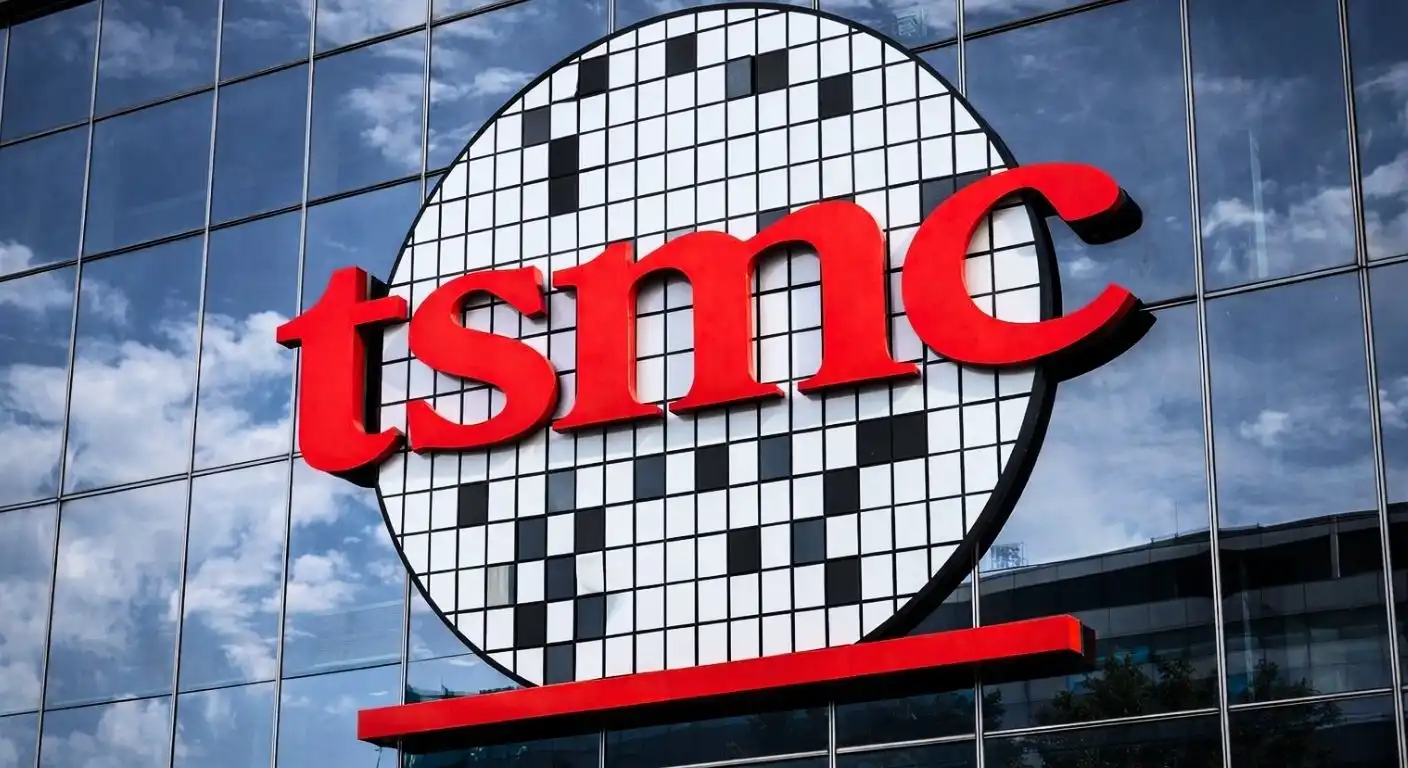
Douglas Yu joined TSMC in 1994 and retired in 2023. During his long career, he held various important roles in backend research and development. Crucially, he played a key part in developing TSMC’s cutting-edge packaging technologies, including its widely recognized CoWoS process.
CoWoS is a vital chip packaging technology, especially for AI chips. It’s heavily used in advanced processors, including those made by Nvidia, which power much of today’s AI development. Yu’s expertise in this area will be a significant asset for MediaTek.
MediaTek officially announced Yu’s appointment on Saturday, stating, “We look forward to leveraging his extensive industry experience and technical expertise to support the company’s exploration and roadmap planning for future advanced packaging technologies, as well as to guide our R&D and investment strategy in advanced packaging-related products and technologies associated with TSMC.” This shows MediaTek aims to learn directly from Yu’s deep knowledge and connection to TSMC’s methods.
The demand for TSMC’s CoWoS capacity has been extremely high recently. Major customers like Nvidia and large cloud service providers are all rushing to secure as much of this advanced packaging as they can get. This high demand underscores the importance of such technology for powerful AI chips.
This strategic hire comes just a week after MediaTek shared its bold projections for the AI market. The company announced it expects to make several billion dollars in revenue from its AI accelerator ASIC chips by 2027. Bringing in someone with Yu’s background will undoubtedly help MediaTek achieve these ambitious financial goals and strengthen its position in the competitive AI chip space.
By bringing in a seasoned expert like Douglas Yu, MediaTek is clearly showing its commitment to stepping up its game in advanced chip technology. This move is a strong signal that the company plans to be a major player in the rapidly expanding AI chip market, leveraging top-tier expertise to improve its products and strategy.