
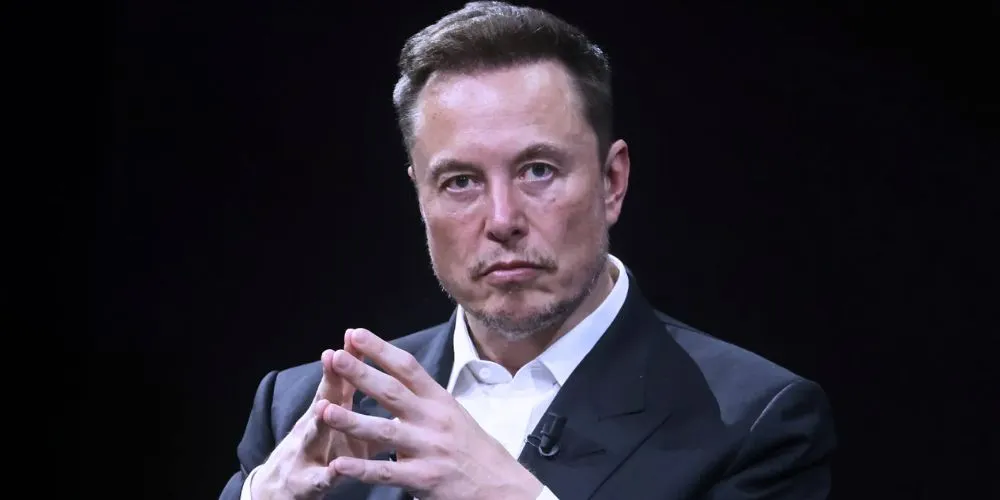
Elon Musk’s ambitious chip manufacturing venture, TeraFab, is making a bold play for industry dominance by poaching a key leader from Intel. The company has officially hired an 18-year veteran of the semiconductor giant to serve as the foundry manager for its massive $5 billion facility. This strategic move signals that Musk is serious about disrupting the chip industry, shifting his focus from purely software-driven AI to the hardware that powers it.
The semiconductor industry is watching closely as TeraFab scales its operations. The new foundry manager brings nearly two decades of deep technical experience in high-volume chip production, a skill set that is notoriously difficult to acquire. By bringing in someone who spent 18 years navigating the complex manufacturing pipelines at Intel, TeraFab aims to avoid the common pitfalls that often plague new entrants in the hardware space. The facility is a cornerstone of Musk’s vision to create an independent supply chain for his various companies, including Tesla, xAI, and SpaceX.
The scale of this project is truly immense. With a total investment of $5 billion, the new plant is designed to handle cutting-edge fabrication processes that are currently in high demand. Global chip shortages and geopolitical tensions have made domestic manufacturing a top priority for tech leaders, and Musk is positioning TeraFab to be a major player in this landscape. The facility will likely focus on high-performance compute chips that require extreme precision, leveraging advanced lithography techniques to compete with current market leaders.
Industry analysts suggest that hiring veteran talent is a tactical masterstroke. Building a foundry is not just about pouring concrete and buying expensive machines; it is about building a culture of manufacturing excellence. Intel’s former executives possess the institutional knowledge required to manage teams of thousands of engineers and maintain the 99.9% uptime needed for efficient silicon production. This leadership change could shave months or even years off the company’s timeline to reach full production capacity.
The project also comes at a time when competition for AI hardware is hitting a fever pitch. As the demand for specialized AI chips grows, companies are finding that they can no longer rely solely on third-party suppliers. TeraFab intends to secure a competitive advantage by keeping its hardware design and manufacturing under one roof. This “vertical integration” approach has served Musk well in the automotive and aerospace industries, and now he is applying the same logic to the world of microchips.
Despite the excitement, the road ahead is challenging. The semiconductor market is notoriously difficult to enter, characterized by high barriers to entry and massive capital expenditure requirements. Maintaining a yield rate above 90% while keeping costs under control will be the biggest test for the new leadership team. However, the $5 billion budget provides enough runway to experiment with new processes and attract top-tier global talent.
If TeraFab succeeds, it will fundamentally change how AI infrastructure is built in the United States. By securing a veteran lead, the company is demonstrating that it plans to play by the rules of the industry while attempting to move at the speed of a startup. As the facility moves toward its operational phase, the tech world will be watching to see if this new foundry can actually deliver the chips needed to power the next generation of artificial intelligence.