
President Donald Trump is back on the world stage this week for a trip that many people thought would never happen. He arrived in China today, May 13, for a three-day visit that will wrap up on May 15. This marks the first time in nearly 10 years that a sitting U.S. President has set foot in China to meet with President Xi Jinping. The world is watching closely because the relationship between these two countries has been incredibly tense lately. But Trump isn’t traveling alone; he brought along a massive team of the most powerful people in American business.
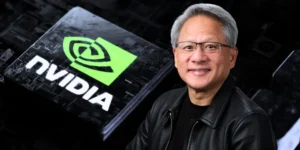
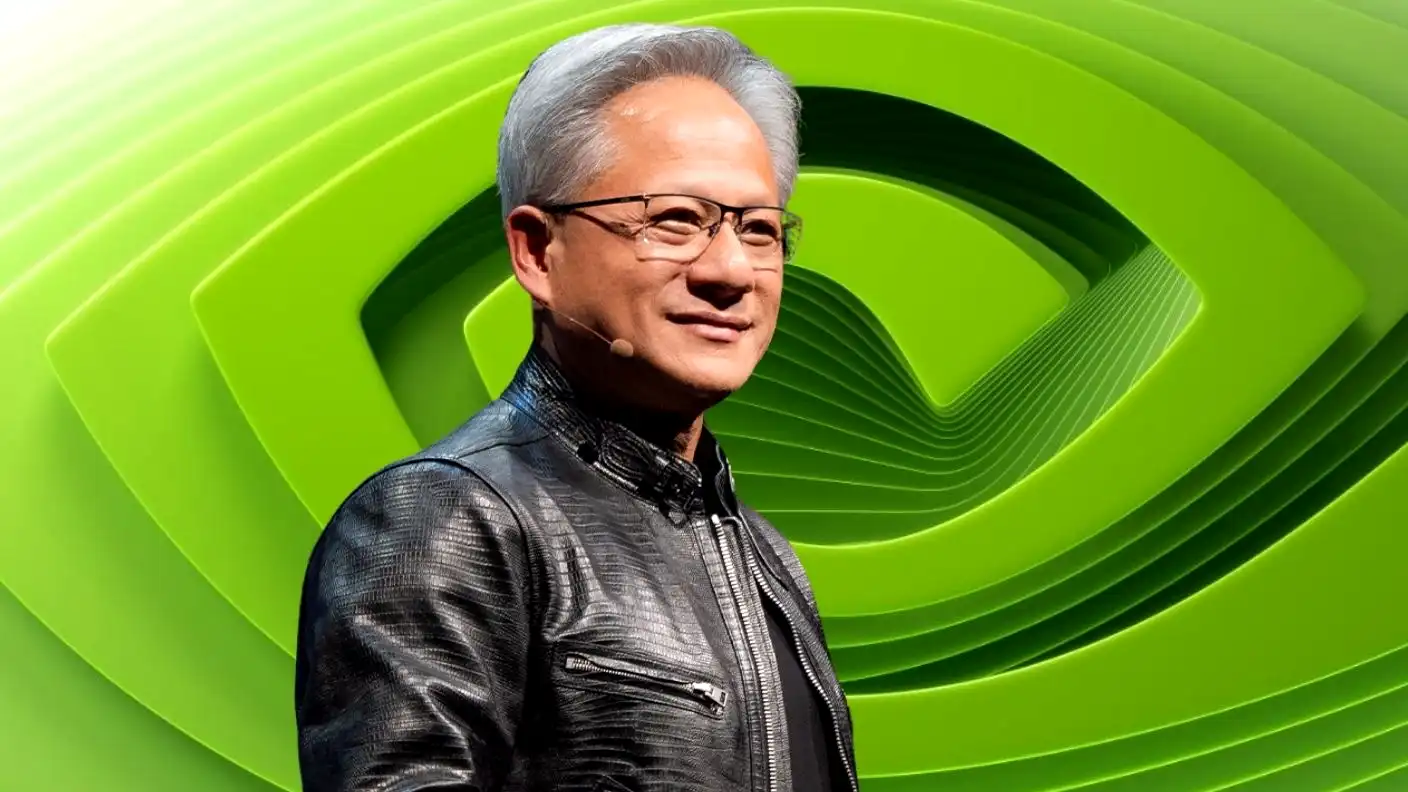
One of the biggest surprises of the trip was the arrival of Jensen Huang, the CEO of NVIDIA. For a few days, rumors swirled that the chip-making leader would stay home. However, White House reporters recently spotted him boarding Air Force One. During a quick refueling stop in Alaska, cameras caught Huang walking toward the plane. He looked like his usual self, wearing his famous black leather jacket and carrying a simple backpack. His presence is a clear signal that the U.S. wants to talk about high-end technology and artificial intelligence during this summit.
The passenger list on the President’s plane reads like a “who’s who” of Silicon Valley and Wall Street. Along with Huang, the group includes Elon Musk, who is representing Tesla, SpaceX, and his AI company xAI. Apple’s Tim Cook is also there, likely looking to protect his massive supply chains. The delegation also features leaders from Qualcomm and Micron, as well as the heads of huge financial firms like Citigroup, Goldman Sachs, Blackstone, and BlackRock. Even Boeing and Meta sent top executives to join the talks.
While the government is keeping the specific meeting details a secret for now, everyone expects the conversations to center on two things: trade and technology. U.S. companies have a lot on the line. Even a small 1.5% change in trade tariffs can mean billions of dollars in profit or loss for these firms. Trump wants to sign big business deals that bring money back to the U.S., while the CEOs want to make sure they can still sell their products in one of the world’s largest markets.
NVIDIA is in a particularly interesting spot. Right now, the company follows a “US-first” policy. They have almost no presence in the Chinese AI market because they have focused so heavily on American infrastructure. NVIDIA is currently putting a lot of money into a “Made-in-USA” plan. Reports suggest they are about to sign a deal with Intel to build their next-generation “Feynman” GPUs right here in the United States. They are also making sure that their newest chips, like the Rubin and Blackwell models, go to American data centers before anyone else gets them.
The tone of this trip is very different from what we saw last year. In 2024, the U.S. government was very aggressive, starting what many called a “tariff frenzy.” They hit China with high taxes on everything from steel to electronics. However, the Trump administration has recently taken a lighter approach. They have been easing some of those restrictions and opening up the doors for conversation again. This suggests that the U.S. is ready to negotiate, but they aren’t going to give up everything at once.
Artificial intelligence is the centerpiece of the entire tech discussion. The U.S. currently leads the world in AI software, but China is catching up fast. Tech leaders like Elon Musk and Jensen Huang want to set the ground rules for how these systems are built and sold. If a major deal is reached, we could see a $10 billion increase in tech exports over the next few years. However, both countries have major reservations about sharing their most advanced secrets.
Even though the CEOs are signing papers and taking photos, the experts say we should be cautious. This isn’t going to be a total peace treaty for the tech world. Instead, it is more like a “step-by-step” process. Both sides want to see if the other will keep their promises before they commit to something massive. For the American public, the hope is that these talks will lead to more jobs in the U.S. and a more stable global economy.
As the meetings continue over the next 48 hours, the world will wait to see what kind of deals come out of Beijing. Whether it is a new factory for Intel or a lower tax on Apple iPhones, the impact will be felt by every consumer. For now, the sight of the world’s most powerful tech leaders walking through the Great Hall of the People suggests that a new era of business might finally be starting.