
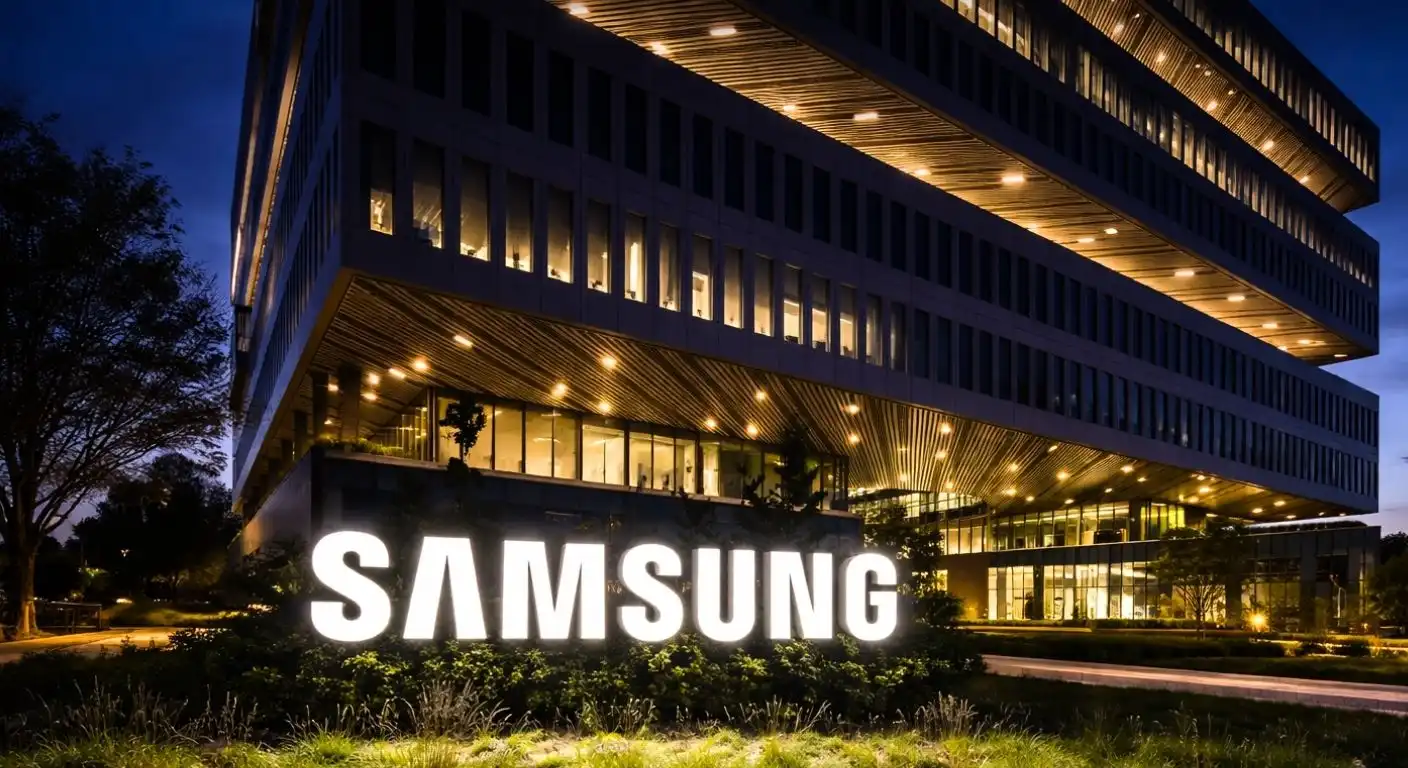
Shares of Samsung Electronics climbed more than 10% on Wednesday, pushing the chip giant’s market capitalization past the $1 trillion mark. Investors continue to pour money into stocks linked to artificial intelligence (AI). Samsung is now the second Asian company to cross the $1 trillion valuation, following TSMC. The company first reached that $1 trillion market capitalization milestone on February 26, according to data from FactSet.
This impressive rally comes after Samsung Electronics reported record first-quarter earnings last week. Operating profit soared more than eightfold to 57.2 trillion won, while revenue climbed to a record 133.9 trillion Korean won. Samsung’s first-quarter operating profit alone also surpassed its entire full-year profit for 2023, which was 43.6 trillion won.
The rally also followed a Bloomberg report that Apple has held initial talks with both Samsung and Intel. These talks explored the possibility of producing chips for Apple devices in the U.S., potentially allowing Apple to reduce its long-time reliance on supplier TSMC. Shares of South Korean chip powerhouse SK Hynix also jumped more than 9%. This helped push the benchmark Kospi index up more than 5%, topping 7,000 for the first time.
Sales of high-bandwidth memory, or HBM chips, have significantly boosted Samsung’s profitability. However, the company still faces intense competition in the HBM market, especially after losing its early lead to rival SK Hynix. Samsung has been actively working to catch up with SK Hynix in the rapidly growing AI memory sector. In February, the company announced it had become the world’s first firm to begin mass production of HBM4 chips and started delivering them to undisclosed customers.
HBM4 represents the sixth and latest generation of high-bandwidth memory technology. These advanced chips are expected to play a crucial role in Nvidia’s upcoming Vera Rubin AI architecture, which aims to power complex AI workloads in data centers. Morningstar noted that strong demand linked to AI infrastructure spending, combined with limited supply due to capacity constraints, has driven up prices for semiconductor chips and other input costs, particularly in South Korea.