
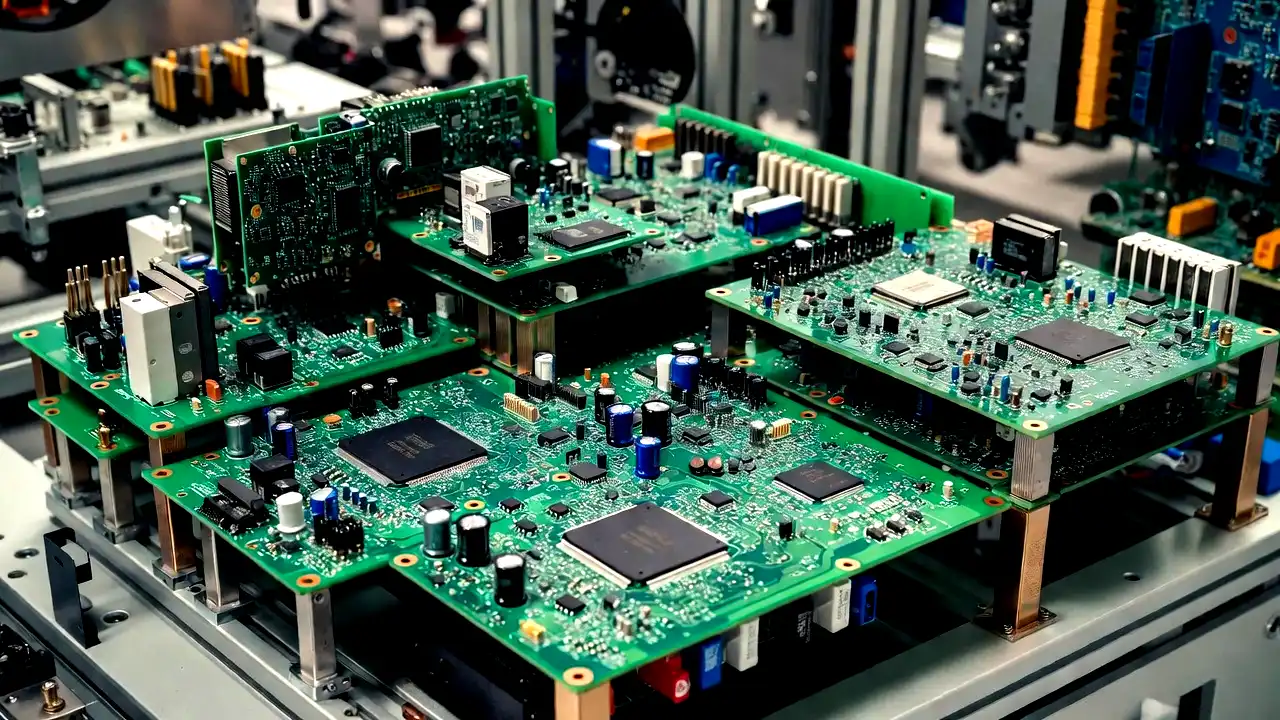
We see the big robots and the self-driving cars, but we miss the real revolution happening right under our noses. The future of the smart city is not about giant machines; it is about billions of tiny, invisible computers. These are called embedded systems. They are the small, dedicated brains hidden inside our streetlights, our water pipes, and our bridges. In 2026, these devices are no longer just dumb sensors. They are becoming intelligent, connected, and self-sufficient, forming a digital nervous system that keeps our cities alive.
The Sensor Becomes the Computer
In the past, a sensor was a simple device. It measured the temperature and sent a number to a big server in a faraway data center. That was slow and inefficient. Today, the embedded system does the thinking on the spot. This is “edge computing.” A smart camera on a traffic light does not send a heavy video stream to the cloud. Instead, its embedded brain analyzes the video, counts the cars, and realizes there is a traffic jam forming. It only sends a tiny alert to the central system. This saves massive amounts of energy and bandwidth.
Devices That Power Themselves for Decades
You cannot change the batteries in a million water meters buried under the street. The biggest challenge for smart infrastructure has always been power. The new generation of embedded systems solves this. They are designed for “ultra-low power” consumption. They spend 99.9% of their lives in a deep sleep, waking up for just a millisecond to take a reading. Many now use “energy harvesting” to run forever. They pull tiny amounts of power from radio waves, solar energy, or the vibrations of a passing train. They are fit-and-forget devices that work for twenty years without human touch.
Speaking a Universal Language
Early smart city projects failed because the devices could not talk to each other. The traffic lights from one company could not speak to the parking sensors from another. In 2026, we are finally seeing the adoption of universal communication standards, like Matter for the smart home, but built for the city. An embedded system in a garbage can now speaks the same language as the autonomous truck that comes to empty it. This interoperability allows the city to act as one cohesive organism instead of a collection of separate, bickering parts.
Security That Is Baked In, Not Bolted On
When you connect a city’s water supply to the internet, you create a massive security risk. A hacker could try to poison a reservoir or shut down a pumping station. We have learned that we cannot add security later. It has to be built into the silicon. The future of embedded systems relies on “hardware security modules.” These are tiny, unhackable vaults built directly into the chip. They store cryptographic keys and ensure that the device can only talk to trusted servers. We are locking the digital doors at the most fundamental level.
The City That Heals Itself
The most exciting development is predictive maintenance. Embedded systems can “feel” when something is about to break. A sensor on a bridge can detect microscopic stress fractures long before they become dangerous. It listens to the vibrations and reports when the pattern changes. The city’s maintenance system then gets an alert to dispatch a crew before a catastrophe happens. This saves money and, more importantly, it saves lives. Our infrastructure is no longer just waiting to fail; it is actively telling us how to keep it healthy.
Conclusion
The true intelligence of a smart city is not in the cloud; it is distributed across millions of tiny, rugged, and efficient embedded systems. These devices are the unsung heroes of our urban future. They are making our cities safer, cleaner, and more efficient, all while operating invisibly in the background. We are building a world where the infrastructure itself is alive, constantly monitoring its own health and working silently to make our lives better.