
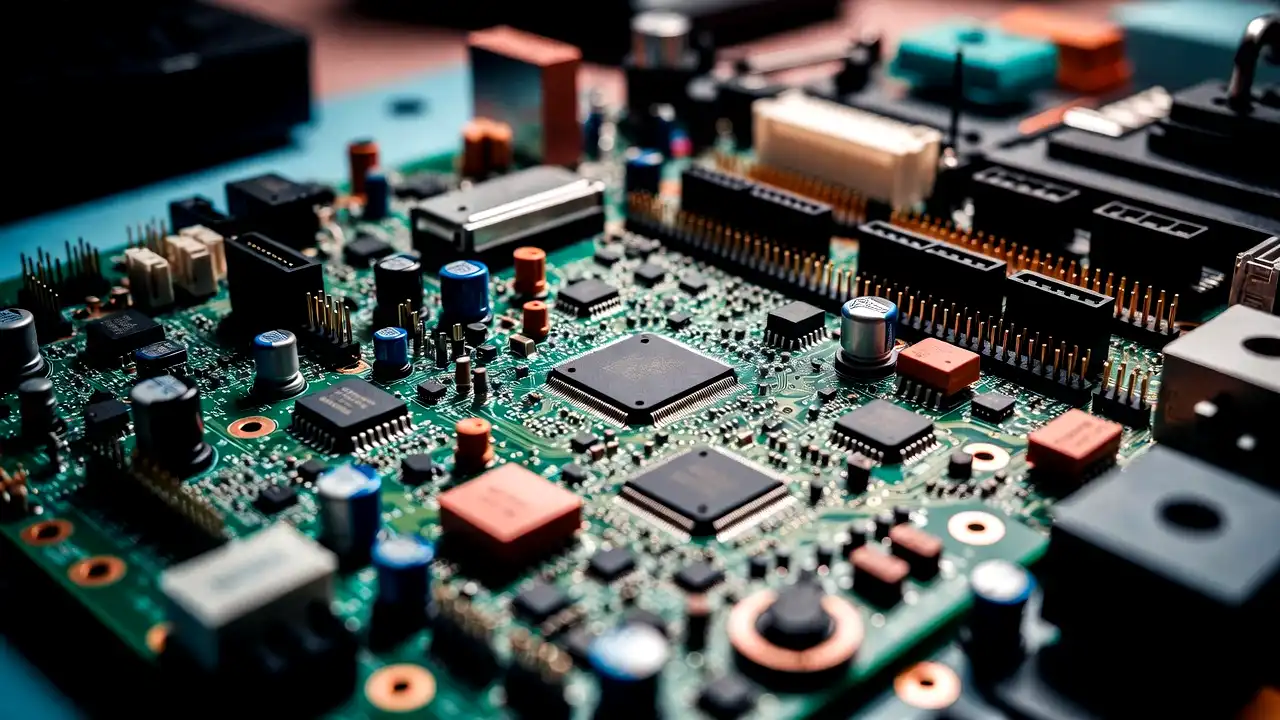
We think of electronics as hard, flat, and rigid. The printed circuit board (PCB) has been the stiff green backbone of every gadget for fifty years. It is a simple, effective design, but it is also clunky. In 2026, the age of the flat board is ending. We now need our electronics to conform to our bodies, our cars, and our clothes. The future of PCB technology is not just about getting smaller; it is about becoming flexible, stretchable, and even biodegradable. The circuit board is finally learning to move with the world.
Electronics You Can Wear and Wash
The biggest trend is the move to flexible circuits. Imagine a hospital gown with sensors woven directly into the fabric to monitor a patient’s heartbeat. That is happening now. We are using new conductive inks that can be printed onto thin, bendable materials like plastic film or even cotton. These flexible PCBs can be folded into a phone or wrapped around your wrist in a smartwatch. The next step is “stretchable” electronics. These circuits can be integrated into athletic wear, expanding and contracting with your muscles as you exercise without breaking the connection.
3D Printing the Entire Gadget
Traditional PCBs are like layered sandwiches. You etch away copper to make the wires. This is wasteful and limits designs to flat planes. Additive manufacturing, or 3D printing, changes the game. We can now print the entire circuit board, including the conductive traces, in one go. This allows for complex, three-dimensional shapes. An engineer can design a PCB that perfectly fits the curved interior of a drone’s wing. It saves space, reduces weight, and cuts down on manufacturing waste because you only print the material you actually need.
The End of the Soldering Iron
Connecting chips to a circuit board has always been a delicate process involving hot solder. This is a weak point in any design. The future is “embedded components.” Instead of placing chips on top of the board, we are building them right into the layers of the PCB itself. This makes the final product much thinner and more durable. It also improves performance because the electrical signals have a shorter distance to travel. A board with embedded chips is more reliable because there are fewer solder joints that can crack or fail over time.
Circuits That Can Handle the Heat
As our gadgets get more powerful, they get hotter. The traditional materials used for circuit boards are not great at getting rid of heat. This is a major bottleneck, especially for AI processors and electric vehicle batteries. We are now using new “substrate” materials like ceramics and metal alloys that are excellent at dissipating heat. These advanced PCBs act like built-in cooling systems, pulling heat away from sensitive chips and preventing them from melting down. This allows us to pack more power into smaller spaces without the need for big, noisy fans.
The Circuit Board That Turns to Dust
With billions of devices being thrown away each year, electronic waste is a massive environmental disaster. We cannot keep burying toxic circuit boards in the ground. The solution is biodegradable PCBs. Researchers are developing boards made from natural materials like cellulose from wood pulp. The conductive traces are printed with safe, dissolvable inks. When the device reaches the end of its life, you can throw the circuit board into your compost pile, where it will safely break down into harmless organic matter.
Conclusion
The humble printed circuit board is undergoing its most dramatic reinvention in half a century. We are moving away from the flat, rigid designs of the past and embracing a future where our electronics are as flexible and adaptable as our own bodies. By combining 3D printing, advanced materials, and sustainable design, we are building gadgets that are smaller, faster, and friendlier to the planet. The circuit board is no longer just a flat foundation; it is a dynamic part of the design itself.