
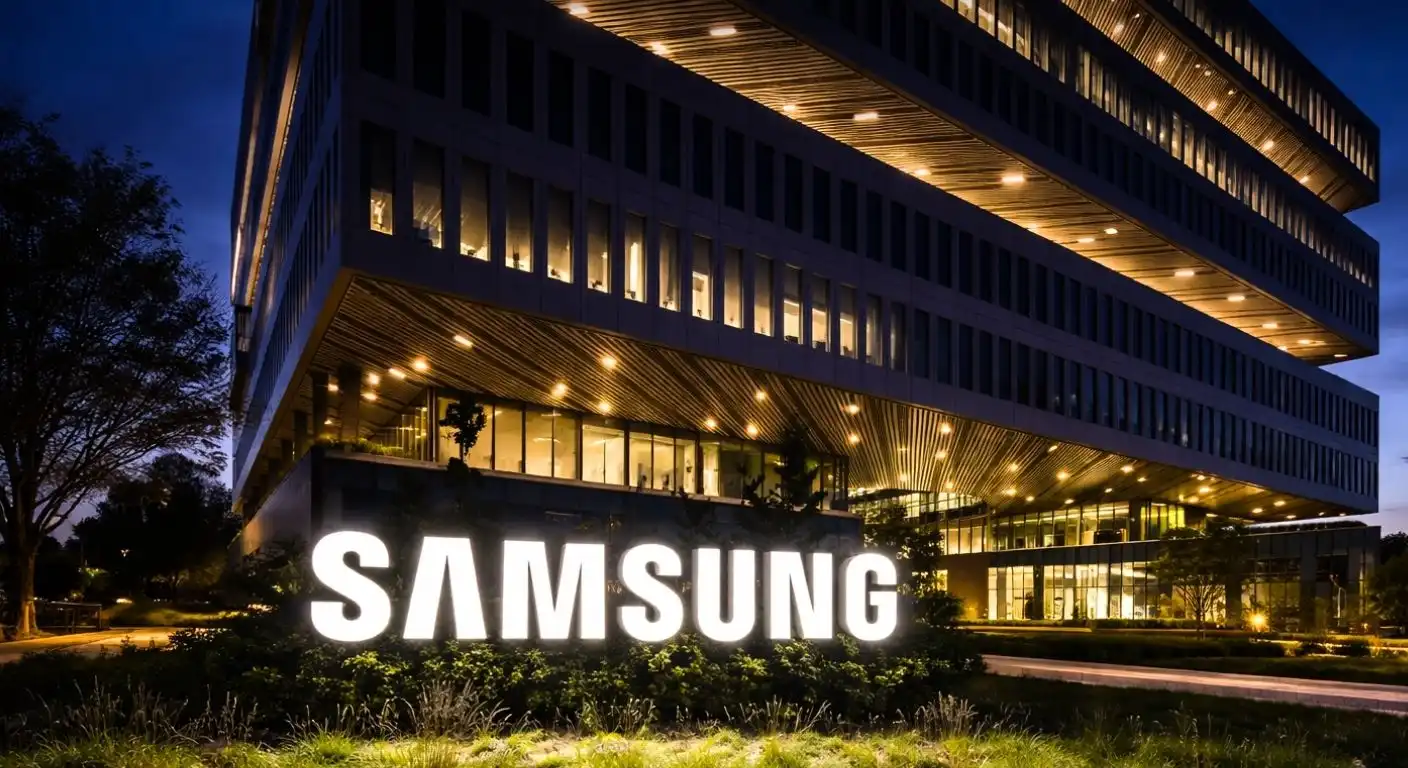
Samsung Electronics is heading into a major crisis. Management and the company’s labor union failed to reach an agreement on Wednesday, leaving no time left to prevent a massive work stoppage. Starting Thursday, 48,000 workers plan to walk off the job, threatening the stability of South Korea’s economy and potentially causing global shortages of vital semiconductor chips. This labor dispute marks a dangerous turning point for the world’s largest memory chipmaker.
For days, both sides faced immense pressure from the South Korean government and major business groups to find a middle ground. Officials feared that an 18-day strike would devastate the country’s export numbers, which rely heavily on Samsung’s high-tech output. Despite these warnings, both parties remained deadlocked over the structure of bonus payments. The final round of negotiations ended abruptly, forcing the union to move forward with its planned protest.
The company issued a sharp statement on Wednesday explaining why it could not agree to the union’s terms. Samsung executives claimed the union made “unacceptable demands” that would have undermined the company’s fundamental operating principles. They argued that accepting the current proposal would set a dangerous precedent for the future of the firm. Because the company refused to bend, the union decided that a full-scale strike was the only option left.
The union’s demands are quite specific and aim to overhaul how Samsung rewards its staff. Workers want to abolish the current cap on performance bonuses, which is currently limited to 50% of an employee’s annual salary. Additionally, they are pushing for Samsung to set aside 15% of its annual operating profit specifically for employee bonuses. Perhaps most importantly, the union wants these rules formalized in a long-term contract, rather than relying on one-year “special” payouts that management can cancel at any time.
The economic impact of this walkout could reach $1 billion in lost productivity very quickly. Samsung serves as a crucial hub in the global technology supply chain, providing the memory chips needed for smartphones, data centers, and advanced artificial intelligence hardware. When 48,000 skilled workers leave their posts, production lines for these complex chips grind to a halt. Because semiconductor manufacturing is a delicate process, restarting these lines after an 18-day absence will take weeks of effort and millions of dollars in extra maintenance.
Business groups in South Korea have urged the union to reconsider the strike, citing the risk to national stability. Semiconductors account for a huge portion of the country’s total exports, and any disruption at Samsung creates an immediate ripple effect. Global tech companies that rely on Samsung for their supply of DRAM and flash storage are already bracing for possible shipment delays. These companies are now looking at their inventory levels, which in some cases only cover 4 to 6 weeks of regular operations.
The failure of these negotiations highlights a growing tension between management and labor at the tech giant. In the past, Samsung operated under a strict management style that discouraged union activity. However, in recent years, the workforce has become more vocal, demanding a larger share of the record-breaking profits the company generates. As artificial intelligence drives record demand for high-bandwidth memory chips, workers argue that they deserve to be compensated more fairly for their critical role in that success.
Looking ahead, the next few days will be critical for both parties. If the 18-day strike goes forward as planned, the losses could mount into the billions. The company must decide if the cost of the union’s bonus plan is truly higher than the potential loss of market share and production capacity. Meanwhile, the union must weigh the strength of its leverage against the possibility of public backlash if the strike causes widespread economic pain across South Korea.
For now, the two sides remain firmly entrenched in their positions. With 48,000 workers ready to leave their stations, Samsung is staring down the most significant labor challenge in its history. Investors and industry partners around the world are watching closely, hoping that a deal can still be reached before the production lines fall silent on Thursday morning.