

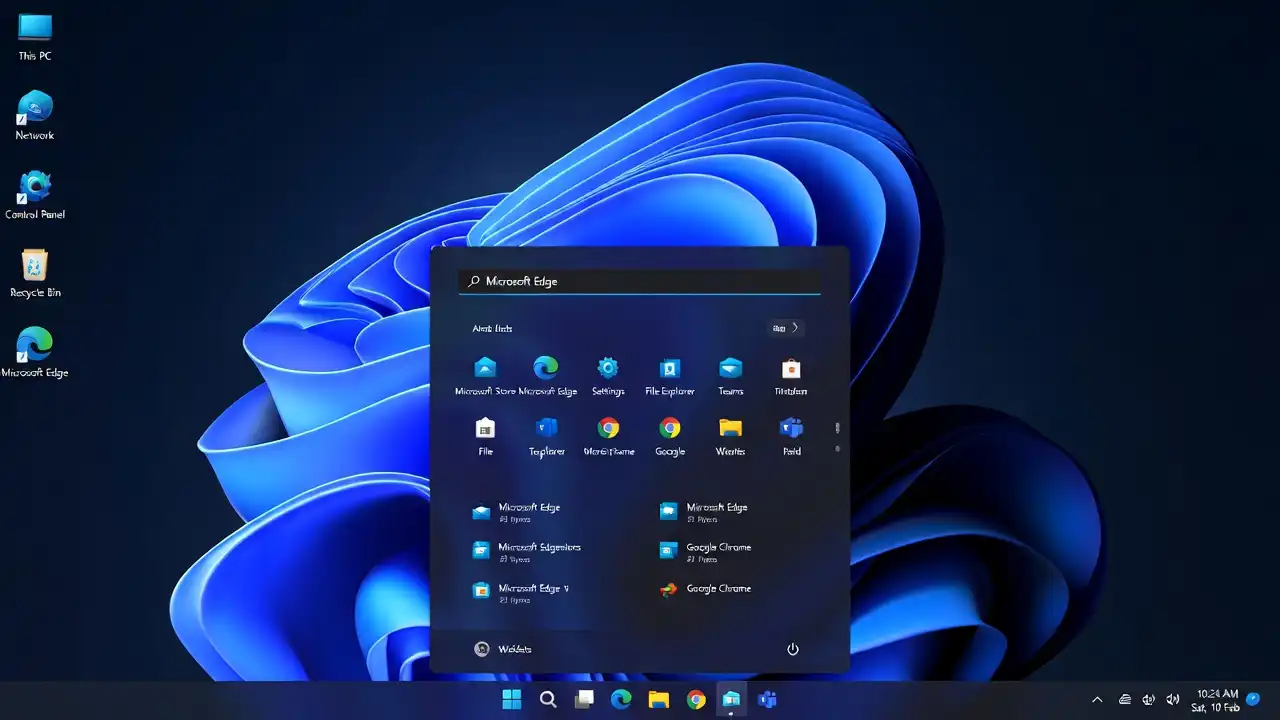
Windows 11 is about to get a performance boost thanks to a new feature Microsoft is developing called “Low Latency Profile.” Microsoft is actively trying to make the user experience in Windows 11 even better. There’s been talk about some big changes coming that will reduce unnecessary software, cut back on some AI features, and also improve how games run. These changes are part of a project known as “K2.”
While Microsoft hasn’t shared exact plans or dates for when these improvements will reach everyone, the company has been sending out updates that suggest the process to make Windows 11 better and more responsive has already started.
According to Windows Central, Microsoft is quietly rolling out a new feature for Windows 11 called “Low Latency Profile.” This new feature aims to improve how fast apps open, how quickly system menus appear, and how responsive right-click menus are. These improvements will come directly from the CPU. The operating system will temporarily push the processor’s speed to its maximum for a short time.
The tech website reports that Windows 11’s “Low Latency Profile” has already been tested in the Windows Insider Program. Early tests by their sources show a quick 1-3 second burst in CPU speeds, which reportedly led to a 40% faster launch time for apps like the Edge browser and Outlook email. They also saw up to 70% faster launch times for general parts of the user interface, like the Start Menu and right-click menus.
Modern CPUs can indeed have short bursts of higher clock speeds and power limits. For Intel chips, this is seen as “PL2 mode,” and there’s even a “PL4 profile” that lasts for an even shorter time (milliseconds) but allows the CPU to use much more power, squeezing out extra performance. Like PL4, it’s likely that Windows’ Low Latency Profile will have minimal impact on battery life and heat, but it will be interesting to see the differences when the feature is turned on and off.