
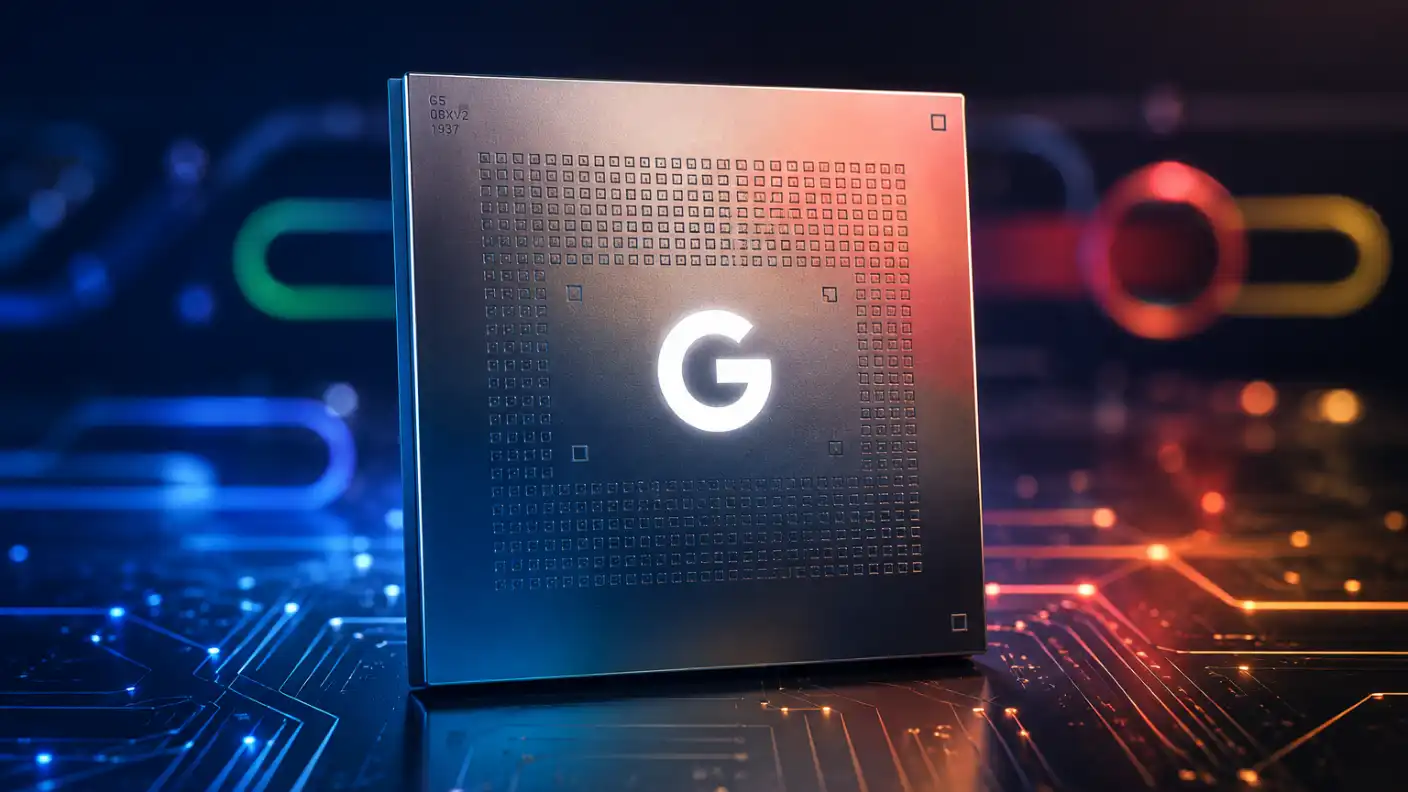
Sameer Samat, Google’s Android chief, has already confirmed that Android 17 will not feature a “Liquid Glass” look. This isn’t because the Tensor chips in Pixel phones are weak. While these chips are slower than some competitors, they could easily handle Apple’s latest user interface. The real reason is that Google has a different vision for how its Android platform should look and act, and users actually benefit from the company sticking with “Material You.”
Apple’s new software design has split public opinion, but you have to admit it’s a very impressive way to show off ray-traced-style blurring and refractions as you scroll on compatible devices. The issue is that these visual changes happen in real-time. While Apple has likely optimized things to prevent battery drain, Google will probably avoid this approach.
For those unaware, Google is very careful about what runs in the background, which ultimately helps battery life. Its Material You design uses static colors and simple transitions to avoid putting unnecessary strain on the graphics processor. Speaking of graphics, the Tensor G5 chip has the new PowerVR DXT-48-1536 GPU, which supports a rendering technique that makes it very efficient.
In short, these GPUs are incredibly good at handling transparent layers and blurred glass, which are exactly what Apple’s Liquid Glass features. They can achieve this without needing extreme amounts of power. Despite these advantages, there’s still a performance cost, which is why those hoping for Google to adopt this look will be disappointed.
Luckily, other Android phone makers, especially Chinese companies, have eagerly added Liquid Glass effects to their custom phone software. However, the downside is that these effects will negatively impact battery life because chipsets from MediaTek and Qualcomm will constantly need to be active to create them.