
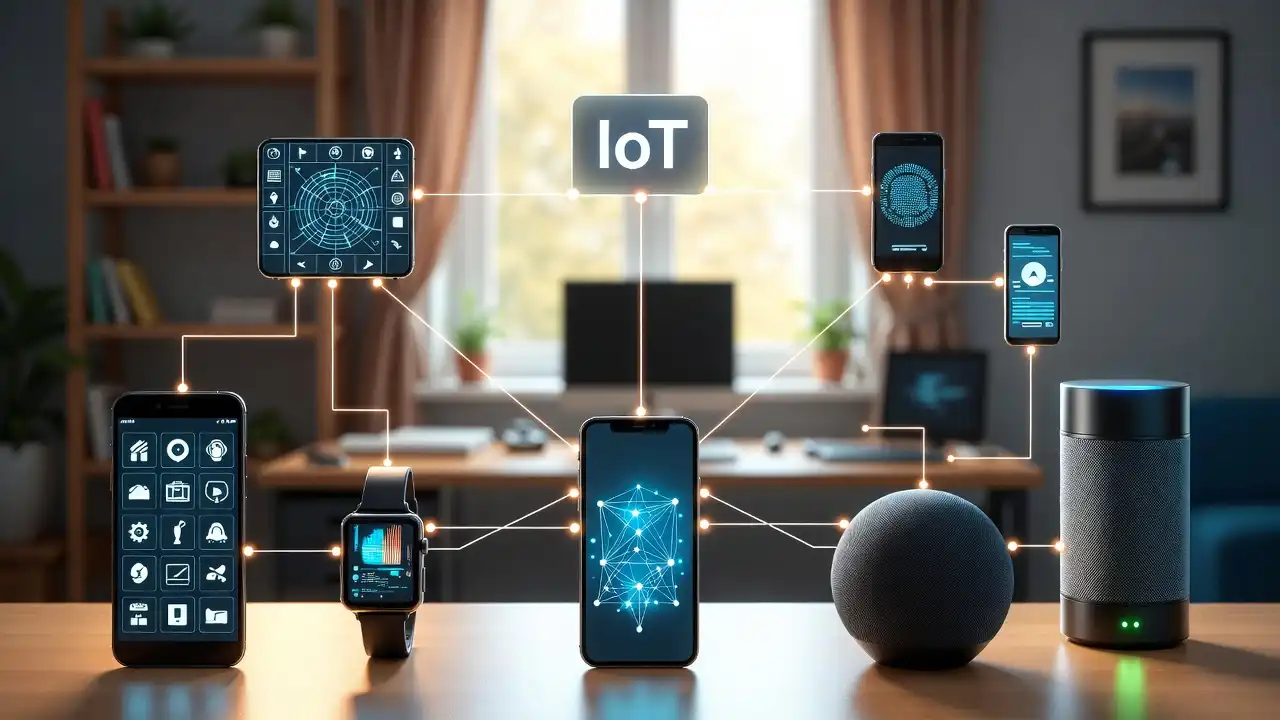
We have a massive problem with the Internet of Things. We built billions of smart sensors, trackers, and cameras, but we forgot one crucial detail. Someone has to change the batteries. In 2026, the sheer number of connected devices makes this impossible. You cannot hire a maintenance crew to swap batteries in a thousand smart thermostats or ten thousand farm sensors. The old way of plugging things in is dead. The next generation of hardware design is not just about using less power; it is about scavenging the energy that is already floating around us.
Harvesting Energy from the Room Itself
The biggest shift in 2026 is the death of the disposable battery. We are moving toward “install and forget” devices. These machines act like plants. They pull energy directly from their environment. We aren’t just talking about solar panels on the roof anymore. New chips harvest energy from the invisible radio waves (RF) that Wi-Fi routers blast out every second. Others run on the tiny vibrations of a factory machine or the heat difference between a pipe and the air. The device powers itself simply by existing in the modern world.
Chips That Whisper Instead of Shout
For decades, computer chips ran at high voltages to go fast. That was a waste. The new standard is “sub-threshold” computing. These processors operate at voltage levels so low they are almost indistinguishable from background noise. They don’t win races, but they finish the marathon. A smart sensor on a bridge doesn’t need to be a supercomputer; it just needs to wake up once an hour, check for cracks, and go back to sleep. By designing hardware that sleeps 99% of the time, we stretch a tiny power source for decades.
Talking Without Using a Voice
The part of a gadget that eats the most energy is the radio. Sending a signal to a cell tower or a router takes a lot of effort. Engineers have solved this with “backscatter” technology. Instead of generating a new signal, the device acts like a mirror. It reflects existing Wi-Fi or cellular signals that are already in the air, slightly changing them to carry data. It is like using a flashlight beam from someone else to send a Morse code message. This cuts power consumption to almost zero because the device doesn’t have to shout; it just waves.
The Brain Shrinks to the Size of a Grain
Sending raw data to the cloud is expensive and wasteful. It takes a lot of battery to upload a video feed just to see if a package arrived. The solution is TinyML. We now put the artificial intelligence right on the sensor. The hardware is designed to do the thinking locally. A security camera processes the image, realizes it is just a stray cat, and decides not to wake up the Wi-Fi radio. It only spends energy when it spots a human. This “edge processing” saves massive amounts of power by keeping the radio quiet until it has something important to say.
Hardware That Melts Into the Earth
With trillions of sensors covering the planet, we face a trash crisis. If we build a sensor for every tree in a forest, we cannot leave plastic and lithium behind when they die. The new wave of low-power design focuses on biodegradable electronics. We are seeing circuit boards made of paper and sensors made of safe, dissolving polymers. Because these devices use so little power, they don’t need toxic chemicals to run. When their job is done, they simply rot away like a fallen leaf, leaving no trace in the ecosystem.
Conclusion
We are entering the era of “invisible computing.” The goal of the next generation of hardware is to disappear. We want the benefits of a connected world—safer streets, smarter homes, efficient factories—without the burden of maintenance. By combining energy harvesting with ultra-efficient chips and biodegradable materials, we are building a digital nervous system that sustains itself. The best technology of the future will be the kind you never have to charge, never have to fix, and eventually, never have to throw away.